Ada's TL;DR digest
A 2026 comparison of the top AdvocacyAI alternatives, including VoterVoice, Quorum, Phone2Action, SoftEdge, NationBuilder, Speak4, and New/Mode. Learn how to choose an advocacy platform based on campaign types, advocate management, personalization, automation, AI, and reporting, with a side-by-side feature comparison table and FAQs.
What Is Advocacy Software?
Advocacy software enables organizations to recruit supporters, identify their elected representatives, and facilitate actions such as emailing or calling officials. Most platforms provide basic reporting showing which supporters took action and which lawmakers were contacted.
Advanced platforms offer multi-step campaigns, outbound email or SMS engagement, customization options, and tools for managing advocates over time.
How to Choose an Advocacy Platform (2026 Criteria)
“The advocacy software your team needs depends on the level of complexity in your program.” If supporters only need to send one templated email, most tools suffice. However, organizations requiring personalization, year-round engagement, or integrated communication tools need more advanced platforms.
Campaign Types
Most platforms support email-your-rep and click-to-call functionality. Fewer support social media mentions, email sign-ups, and story submissions. Only 1-2 tools support letter-to-the-editor submissions, hand-signed letter delivery, voter registration, and automated journey-based outreach.
Advocate Management
Basic tools permit exporting spreadsheets of action takers. More advanced platforms enable sorting supporters, tracking history, and understanding engagement over time within the system.
Action Page Types
Some platforms require hosted pages. Others embed actions on your website, while the most flexible offer APIs for custom developer experiences.
Personalization
Most tools support single templated emails. A few allow 3-5 rotating messages. Only AdvocacyAI and Speak4 currently support fully personalized variations for each supporter.
Customization & Branding
Branding varies widely. Some systems display their own branding on action pages. Others allow full visual customization and campaign hubs matching your website.
Support Team
Support ranges from ticket-only to dedicated onboarding specialists. Some platforms charge extra for hands-on assistance.
Email / SMS
A subset of platforms allow outbound communication directly from the tool. Others require using external CRMs for outreach.
Integrations
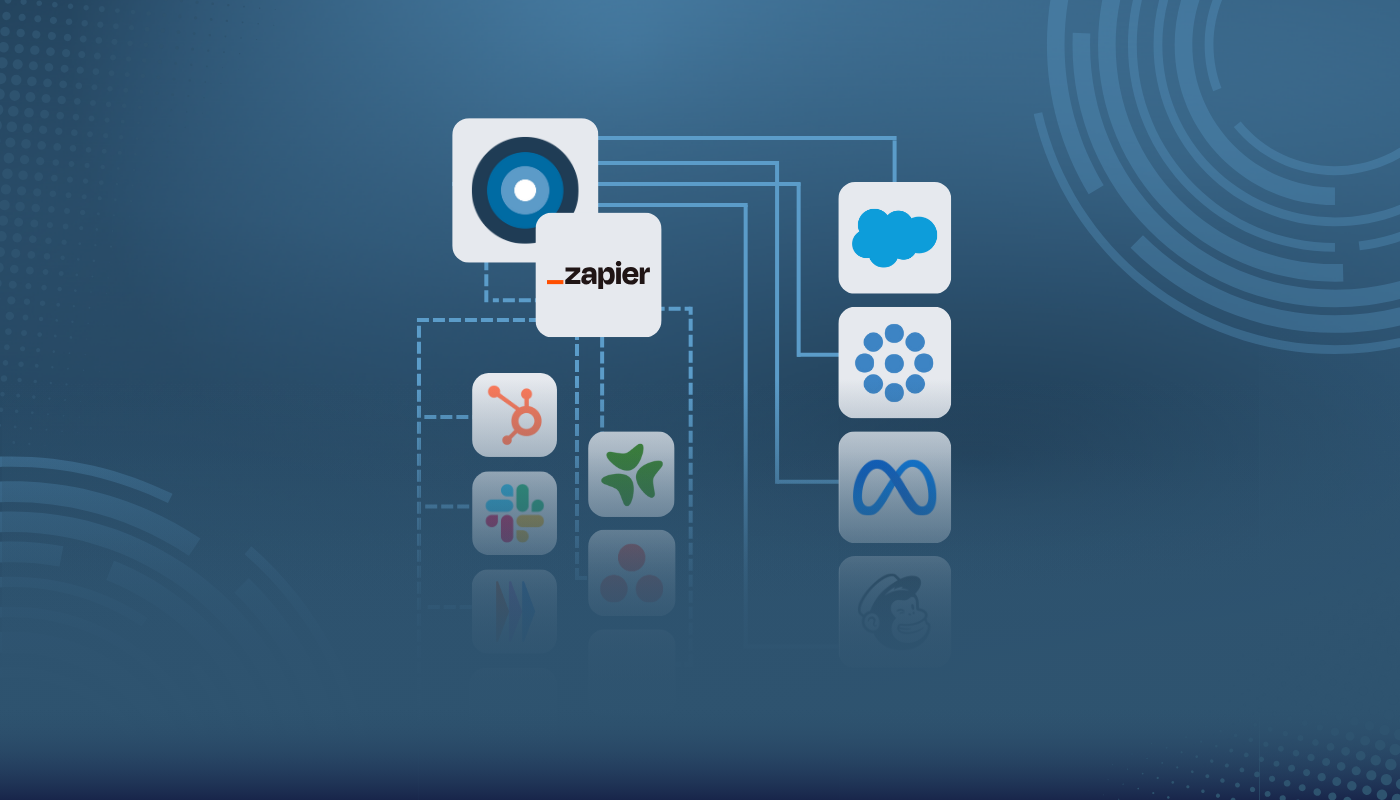
Two main categories: CRMs with basic advocacy features built in, and advocacy-first tools with limited integrations or Zapier. Direct integrations with Mailchimp, Constant Contact, Salesforce, or EveryAction vary widely.
AI Capabilities
Basic text generation is now standard. “Real AI value in 2026 comes from automated workflows, data insights, and behavior-based optimization.”
User-Friendliness
Some tools offer simple interfaces requiring minimal training. Others estimate 2-3 months of onboarding.
Reporting & Analytics
Most platforms show action counts. Only a few display lawmaker open rates, engagement trends, or geographic and behavioral breakdowns.
The Best AdvocacyAI Alternatives in 2026
Quorum
Founded: 2014 · Best For: Public affairs, lobbying teams, and government relations departments · Pricing: Typically $10,000+ per year; multi-year commitments
Quorum is a full public affairs suite combining legislative tracking, stakeholder management, and grassroots tools. It is one of the most robust platforms available.
Strengths: industry leader in legislative tracking, strong stakeholder and in-person meeting tracking, deep database of lawmakers and districts.
Limitations: expensive for teams needing only grassroots functions, slower response to feature requests, and a long learning curve.
Phone2Action (Now part of Quorum)
Founded: 2012 (rebranded to Capitol Canary and then acquired by Quorum) · Best For: Agencies or teams familiar with legacy Phone2Action workflows · Pricing: Same as Quorum
The original Phone2Action platform no longer exists independently. Its features have mostly been merged into Quorum Grassroots and customers were migrated to Quorum. Phone2Action was among the first advocacy tools, providing capabilities previously unavailable for organizations, and it grew rapidly as digital advocacy expanded.
Speak4
Founded: 2020 (acquired by Omnicom PR Group in 2023) · Best For: Digital-forward agencies · Pricing: Starts at ~$9,000/year
Speak4 specializes in sleek, agency-driven advocacy campaigns with a focus on design quality and quick deployment.
Strengths: modern-looking pages, good for agencies running high-volume campaigns, AI-assisted “message smoothing.”
Limitations: no outbound email or SMS to your list, pricing starts higher than many competitors, integrations mainly through Zapier.
VoterVoice (FiscalNote)
Founded: 2002 · Best For: Associations with straightforward advocacy needs; teams already purchasing FiscalNote's legislative tracking tool · Pricing: Typically multi-year contracts; pricing varies by list size
VoterVoice is the long-standing grassroots advocacy platform owned by FiscalNote. It is widely used by associations seeking reliable systems for email-your-rep actions and basic reporting.
Strengths: established customer base, easy setup, integrates with FiscalNote's legislative intelligence tools.
Limitations: reports of declining customer support, an interface that has not modernized, and limited reporting beyond topline numbers.
New/Mode
Founded: 2015 · Best For: Nonprofits with simple digital action needs and existing CRM workflows · Pricing: $349–$619/month for top tiers
New/Mode offers email, call, fax, SMS, and LTE tools with a strong integration library.
Strengths: affordable, integrates with major CRMs, fast setup for basic campaigns.
Limitations: users experienced disruptions during migration to the current V2 platform, basic reporting, and limited scalability for complex campaigns.
NationBuilder
Founded: 2009 · Best For: Organizations needing database, CRM, and website builder in one place · Pricing: Starts low but increases with advocacy capabilities and as supporter counts grow
NationBuilder is primarily a CRM, website builder, and fundraising system that offers petitions, events, and basic advocacy actions via add-ons.
Strengths: affordable for small supporter databases, can host your website, supports donations and recurring giving.
Limitations: pricing increases rapidly, more useful as a CRM than an advocacy engine, limited customization without developer help, and only one outbound email tool with limited integrations.
SoftEdge / Congress Plus Advocacy
Founded: 1990 · Best For: Budget-conscious teams focused on in-person advocacy and fly-in management · Pricing: Starts around $3,000/year (not publicly listed)
SoftEdge provides grassroots tools, legislative tracking alerts, and meeting management for fly-ins. It supports email, fax, and phone outreach.
Strengths: affordable entry point, good for managing in-person meetings, legislative alerts and committee/caucus data.
Limitations: digital advocacy features remain limited, user-facing widgets appear outdated, and reporting does not focus on long-term engagement.
Comparison Table: AdvocacyAI vs Top Alternatives (2026)
| Feature | AdvocacyAI | Quorum | Speak4 | VoterVoice | New/Mode | NationBuilder | SoftEdge |
|---|---|---|---|---|---|---|---|
| Pricing | Mid-point, flexible by list size and org type | High-end | Starts ~$9k | Multi-year, high-end | Starts ~$349/mo | Variable with gated add-ons | Competitive |
| Outbound Email or SMS | Advanced email + text partnerships | Basic email | No | Basic email and text add-ons | Basic email | Yes | No |
| Personalization | Full AI personalization | No | Partial | 1 template | No | No | No |
| Action Types | Advanced | Standard | Standard | Standard | Standard + LTE | Basic petition | Standard + fly-in |
| Reporting | AI insights + advanced analytics | Strong GR metrics | Basic | Basic | Basic | Basic | Meeting-focused |
| Automations | Yes | Limited | Yes | Limited | Limited | Yes | No |
| User-Friendliness | Modern | Complex | Modern | Older UI | Modern | Mixed | Older UI |
| Ideal For | Associations, digital-first nonprofits, agencies | GR teams | Agencies | Associations | Small to mid-size nonprofits | Small nonprofits | Fly-ins, GR |
FAQ: Common Questions About Advocacy Software (2026)
There's no universal “best” tool. It depends on what you need your advocacy program to accomplish. AdvocacyAI is best for digital-first organizations wanting to persuade lawmakers more effectively, personalize supporter outreach, and grow engaged lists long-term — not just run template email campaigns. If your goal is simply having an advocacy action, lower-cost tools with basic email-your-lawmaker features may suffice.
Lobbying is direct communication with lawmakers by staff, consultants, or lobbyists. Grassroots advocacy mobilizes supporters to contact lawmakers themselves. From a software perspective, lobbying-focused platforms often prioritize bill tracking, stakeholder management, and meeting documentation, while grassroots platforms prioritize supporter actions, email-your-rep tools, and communication workflows. Some platforms, like Quorum and VoterVoice, combine both.
A petition is a simple sign-up form where users add their names to show support for an issue. An advocacy platform supports direct lawmaker contact — email, calls, social posts, letters, tweets, etc. — and tracks who takes action, how often, and with what impact. Petitions show support; advocacy platforms mobilize it.
According to AdvocacyAI co-founder Tom Spencer, “AI should remove repetitive work so teams focus on strategy, storytelling, and supporter relationships.” Organizations use AI to draft first-pass copy, personalize messages, identify likely advocates and segment lists, recommend optimal send times, auto-categorize stories and survey responses, run automated workflows, and surface insights. Most platforms stop at AI-assisted copy; newer tools like AdvocacyAI use AI to power automation, personalization, and engagement analytics.
Advocacy teams often struggle to connect online work to real-world legislative outcomes. Three recurring challenges: keeping supporters engaged all year, knowing whether advocacy is “working,” and scaling personalization. These gaps slow growth and make building momentum between legislative sessions difficult.
Successful teams build ongoing engagement rather than campaign-specific outreach. Year-round engagement usually includes surveys, story collection, targeted emails, small volunteer opportunities, and community-building events. For comprehensive strategies, see the guide: “How to Engage Supporters When Lawmakers Are on Recess.”
Final Thoughts: Which AdvocacyAI Alternative Is Right for You?
Each platform in this list solves a slightly different problem. Some focus on legislative tracking, some on in-person lobbying, some on design, and others on basic send-a-message campaigns. If your team needs personalization, year-round engagement tools, and stronger reporting, you may prefer a more modern advocacy platform.
See how AdvocacyAI compares.