11 articles by Bree Benn
What's New in Grassroots Advocacy: 3 Workflows Government Relations Teams Rethought in 2026
In March, our team asked a room of about 80 advocacy groups who had the capacity to do more than the basic form email, specifically who could treat lawmakers differently based on where they stand or what their organization's relationship with that office looks like. Only about 30 percent of the room raised a hand. Here are three workflows that government relations teams rethought with us in 2026 to close that gap.
Post-Election Engagement Ideas for Advocacy and Government Relations Teams
This article is for teams that run grassroots advocacy or government relations with a list: associat...
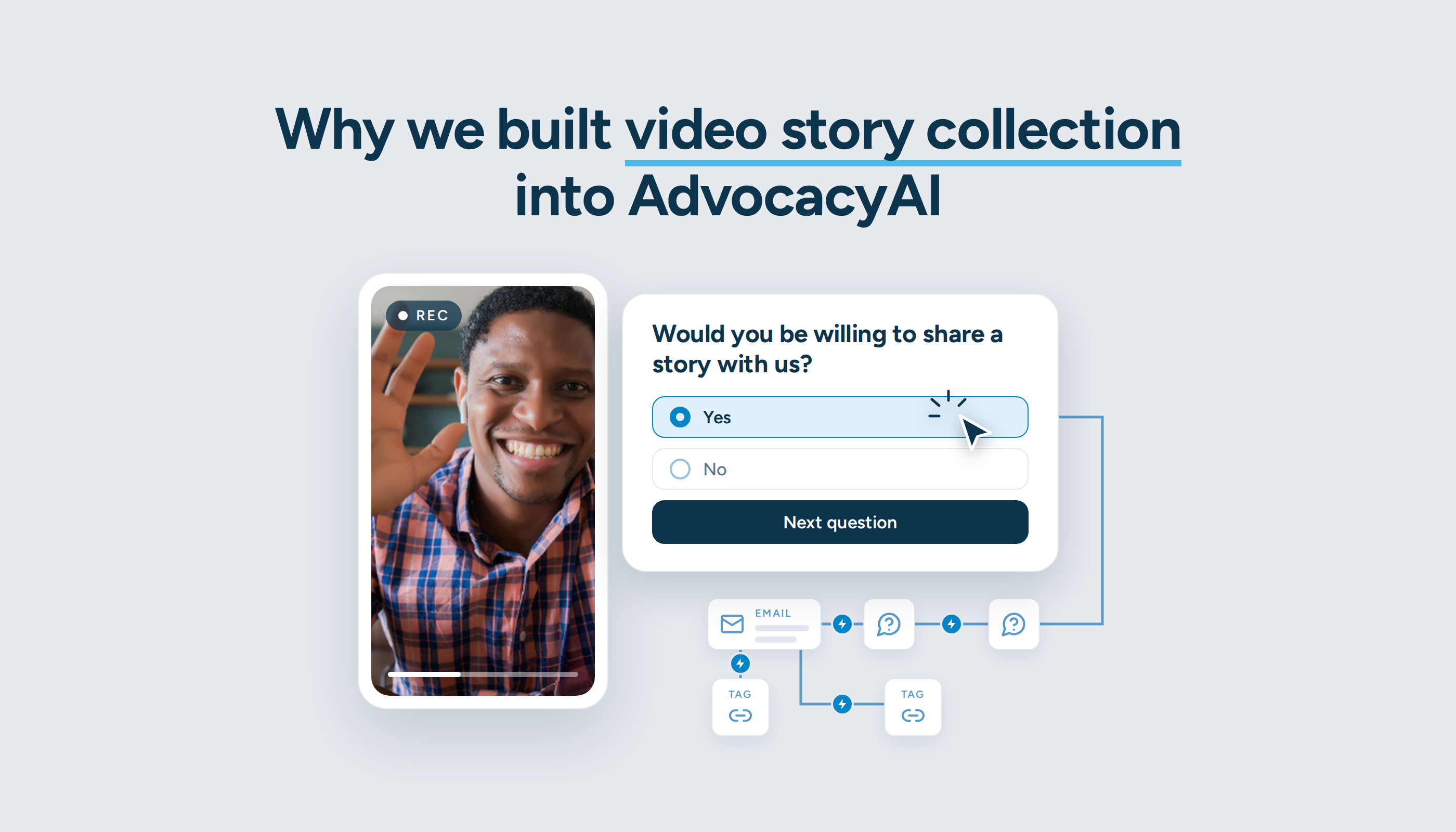
Why We Built Video Story Collection Into AdvocacyAI
Stories move legislation. The research on political persuasion is consistent: when policy arguments fail to change someone's mind, a personal story often does. We knew this when we built AdvocacyAI. It is why organizations collect stories in the first place. The problem is that collecting them is genuinely hard.
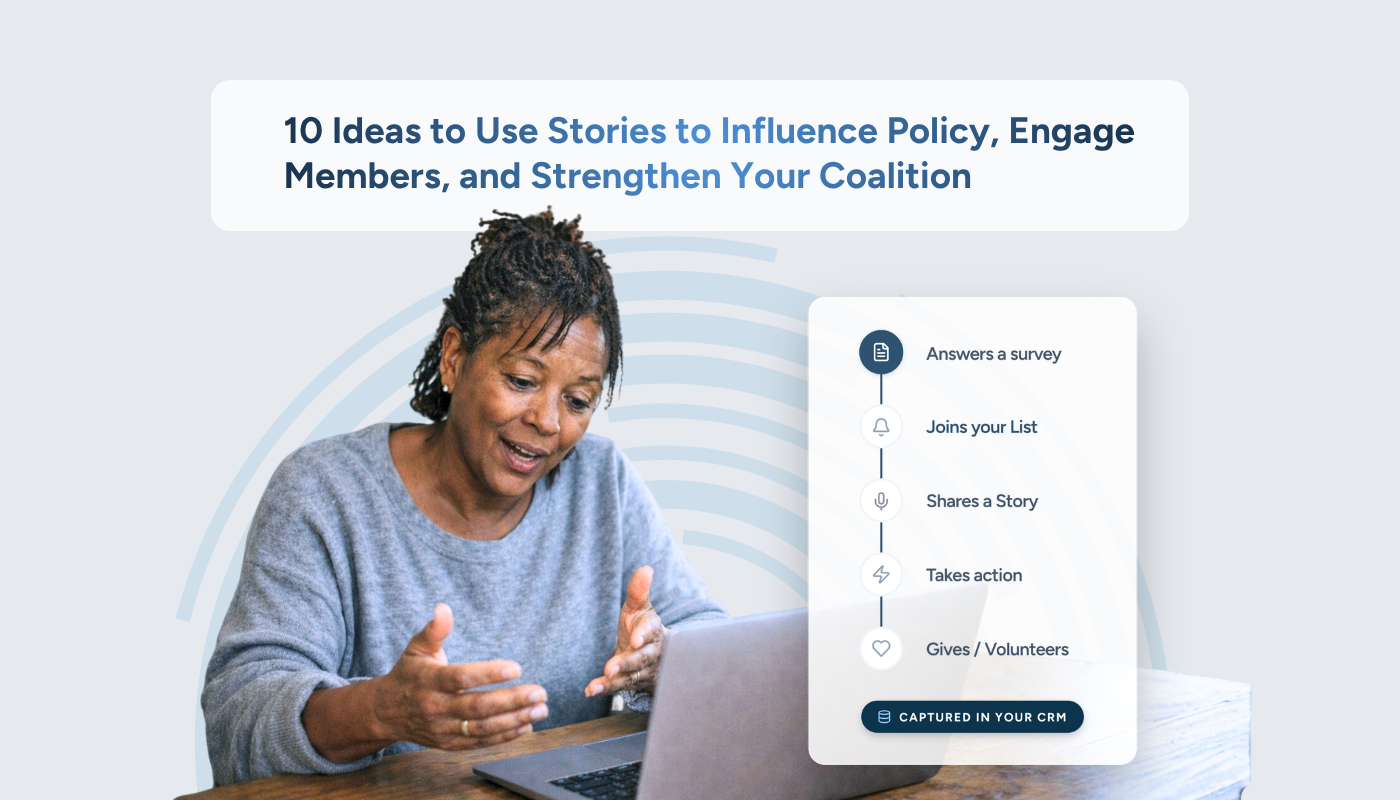
10 Ideas to Use Stories to Influence Policy, Engage Members, and Strengthen Your Coalition
People who join your organization are joining a community. Stories are how new members see that community, understand what it has built, and recognize where they fit in it. If you are collecting stories but not using them, you are leaving most of the value on the table.
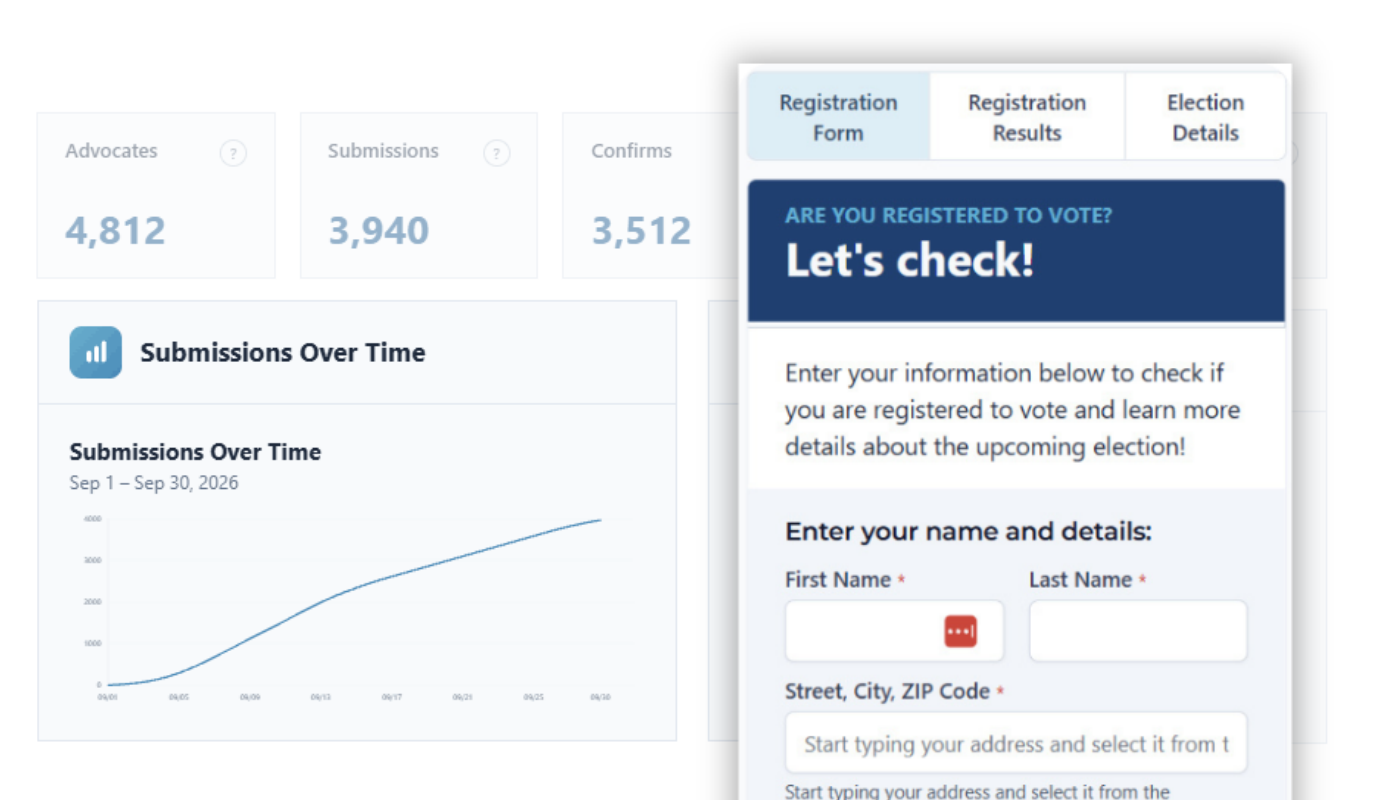
Why we built voter turnout into an advocacy platform
Run get-out-the-vote and voter registration programs from AdvocacyAI, in addition to your advocacy landing pages. Supporters verify their registration against their state's records, get their polling place and Election Day reminders, and every result lands on their record in your database.
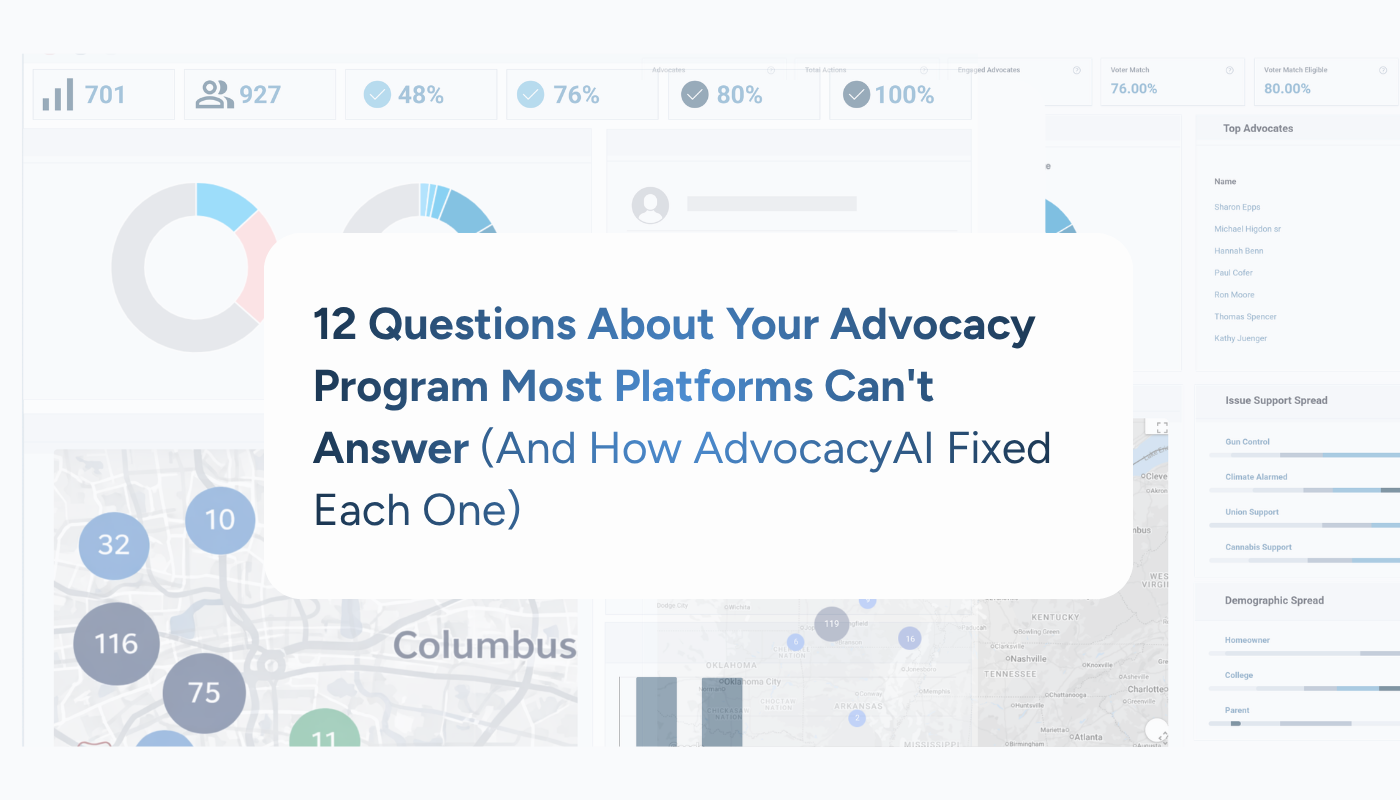
12 Questions About Your Advocacy Program Most Platforms Can't Answer (And How AdvocacyAI Fixed Each One)
Most platforms can't reach the advocacy data that matters, so at AdvocacyAI we built the solution. Here are 12 questions about your advocacy program that most platforms can't answer.
How to Run a Digital GOTV Program You Can Actually Measure
Most GOTV programs stop measuring at page views. Learn the two-ask framework (registration checks + voting plans) that produces verified turnout data, plus why a January voter file match-back is the step that actually proves your program worked.
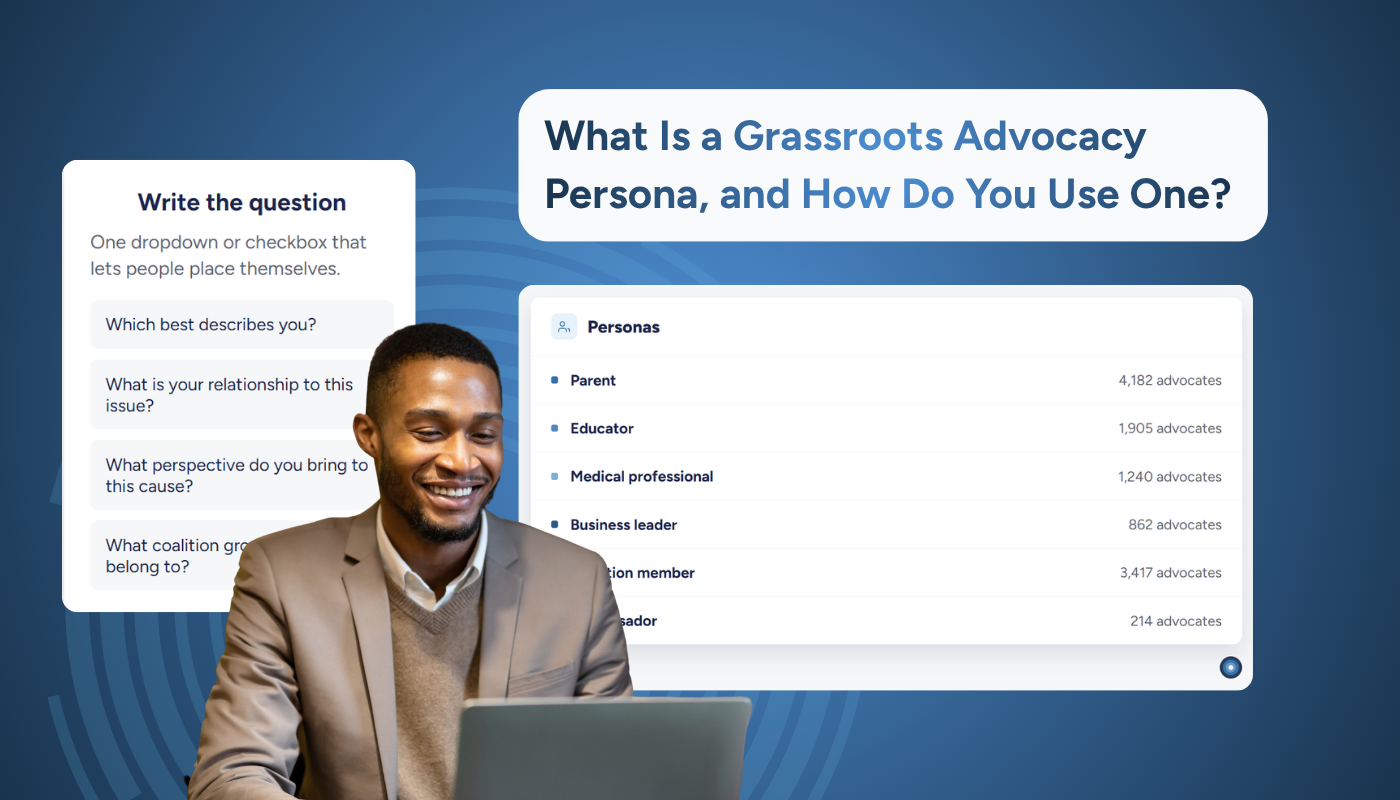
What Is a Grassroots Advocacy Persona, and How Do You Use One?
In advocacy, personas help you drive more engagement by reaching different groups with the messages, issues, and actions most relevant to them. And ensuring the way they communicate with lawmakers captures their unique perspective of an issue.
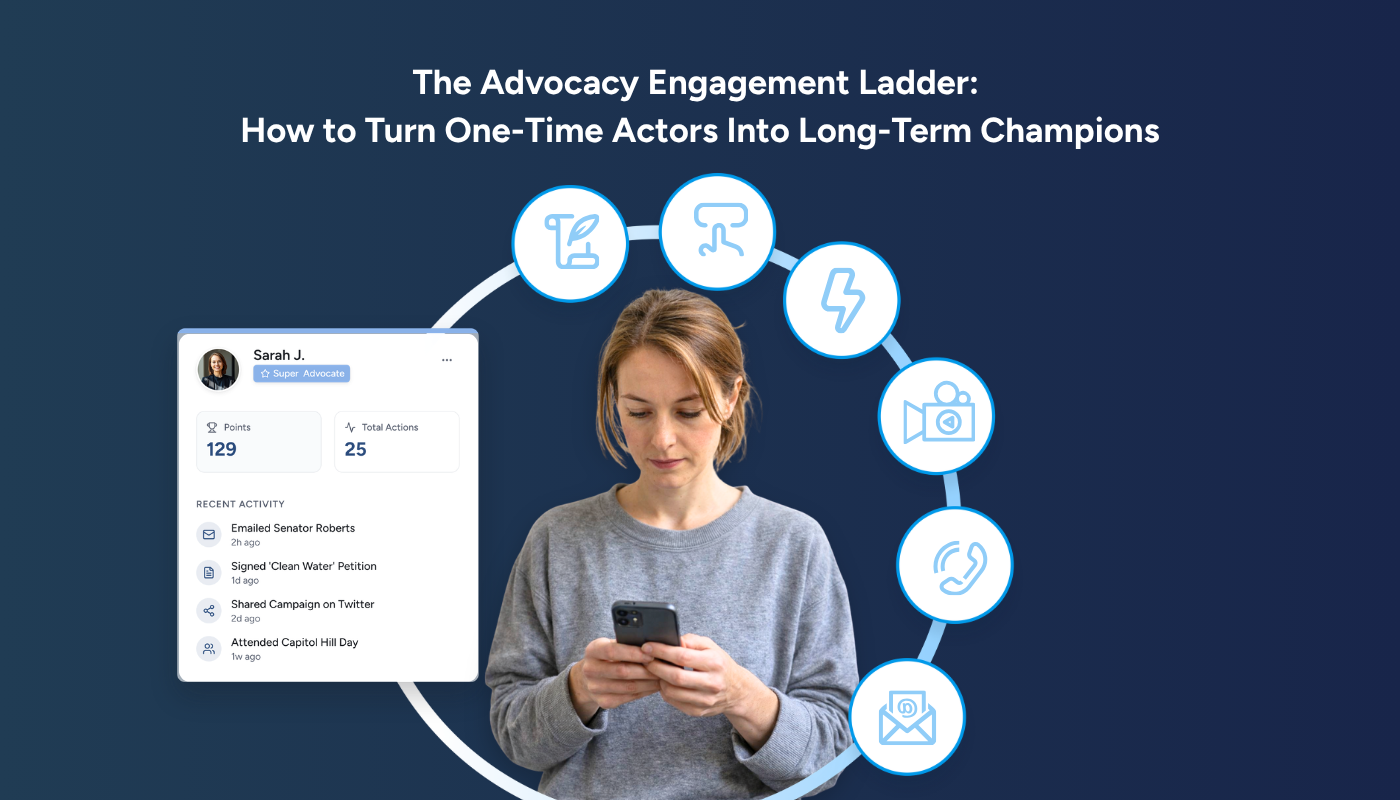
The Advocacy Engagement Ladder: How to Turn One-Time Actors Into Long-Term Champions
An engagement ladder is the structure your program runs on every day, the same way a CRM structures a sales team's pipeline — never a project you check off and close. Build the rungs, automate the triggers between them, and your list stops being a number that grows and becomes a roster of people moving somewhere specific.
So You Need to Run an Advocacy Campaign. Here's Who Does What — and Where Your Budget Actually Goes
So you need to build an advocacy program. Here's how to prioritize the infrastructure, vendors, and measurement for campaign success.

The New Advocacy Playbook: Metrics to Live By
Impact organizations strengthen their campaigns by measuring what matters — using mission-aligned metrics instead of vanity numbers.